What Backflow Is And Why Plumbing Testing Is Important
People searching for backflow testing want to ensure their drinking water stays safe, and local contractors can provide expert testing to prevent contamination.
Understanding what backflow is and why plumbing testing is important can help property owners safeguard their water supply and avoid costly issues. Backflow occurs when contaminated water flows backward into the clean water supply, potentially introducing pollutants or bacteria that can affect health and safety. Regular plumbing testing by experienced service providers ensures that backflow prevention devices are functioning correctly, helping to maintain a safe and reliable water system on the property. For homeowners and business owners alike, staying informed about backflow risks and testing options is a practical step toward protecting their property and ensuring compliance with local regulations.
Property owners in the area may find it beneficial to explore this topic to better understand how backflow can impact their water quality and overall property maintenance. Local contractors who specialize in backflow testing can assess existing systems, identify potential vulnerabilities, and recommend appropriate solutions to prevent backflow incidents. Keeping up with routine testing not only helps prevent health hazards but also ensures that plumbing systems operate efficiently. As you read further, you'll discover how trusted service providers can assist with backflow testing and related services, making it easier to keep your water supply safe and your property compliant.
- Backflow testing - is needed when property owners want to ensure their drinking water remains free from contamination caused by reverse flow, and local contractors use specialized equipment to accurately assess backflow prevention devices.
- Plumbing system inspection - helps identify potential backflow risks in residential or commercial properties, with service providers performing thorough evaluations to determine if backflow prevention measures are functioning properly.
- Backflow prevention device installation - is required when existing devices are outdated or non-compliant, and local pros install and set up backflow preventers to protect water supplies from potential pollutants.
- Routine backflow testing - is essential for maintaining compliance and safety, with local contractors conducting scheduled tests to verify that backflow prevention devices operate effectively over time.
- Water quality assessment - may be necessary if backflow issues are suspected, with service providers testing water samples to detect contamination and recommend necessary backflow testing or repairs.
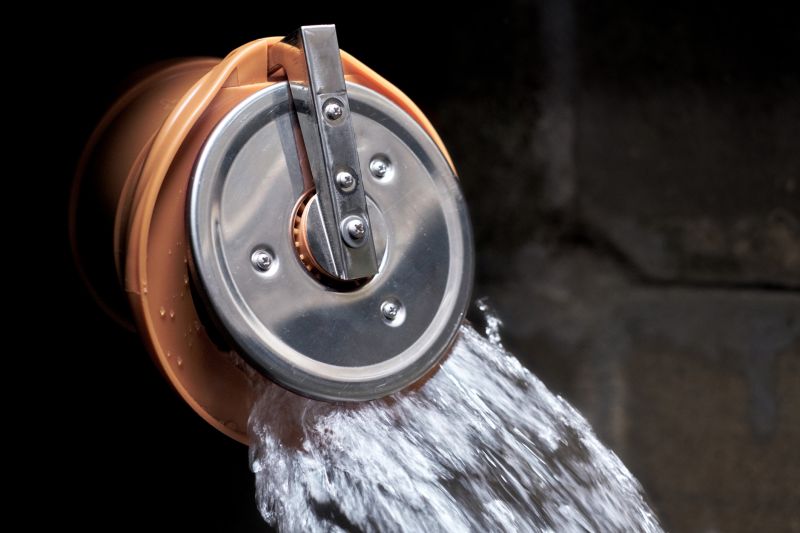
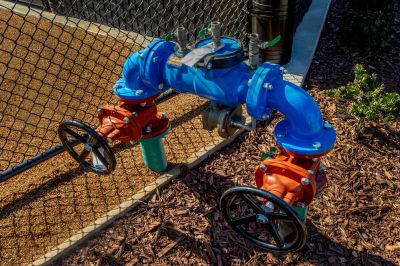
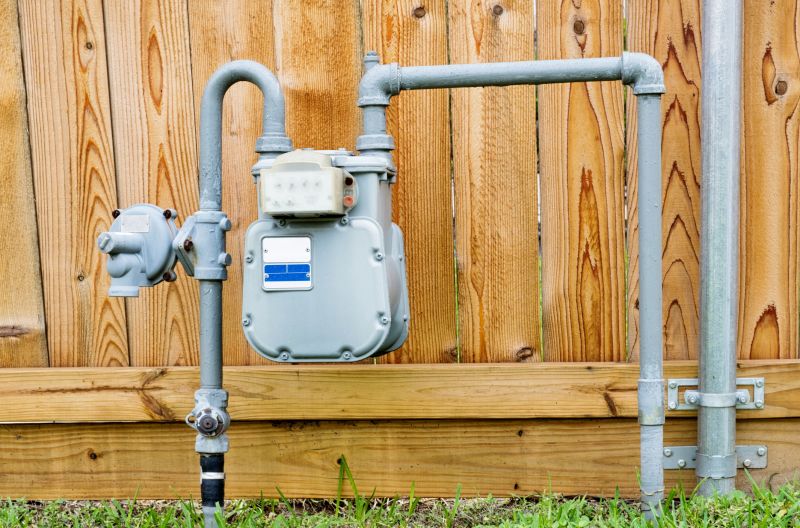
Understanding what backflow is and why plumbing testing is important helps homeowners protect their water supply from contamination. Backflow occurs when water flows in the opposite direction of its normal path, potentially drawing pollutants or harmful substances into the clean water lines. This can happen due to changes in water pressure, such as during firefighting activities, heavy water usage, or pressure fluctuations in the municipal supply. When searching for information on this topic, many people are looking to understand how backflow can impact their health and property, and what measures are necessary to prevent it. Plumbing testing performed by local contractors can identify backflow issues early, ensuring that backflow prevention devices are functioning properly and reducing the risk of contaminated water entering the household.
This topic often relates to specific problems or plans involving the safety and compliance of plumbing systems. For property owners, issues like unexplained water quality changes, foul odors, or visible debris in tap water can signal potential backflow problems. Additionally, property upgrades, new construction, or renovations may require backflow testing to meet local regulations and standards. Many property owners also include backflow prevention as part of routine maintenance or upgrades for commercial facilities, public buildings, or multi-unit residential complexes. These plans typically involve installing or inspecting backflow prevention devices to ensure they are working correctly and to prevent costly contamination incidents.
The types of properties that frequently come up in backflow testing discussions include residential homes, apartment complexes, restaurants, and commercial buildings. Homes with irrigation systems, wells, or fire sprinkler systems are particularly vulnerable to backflow issues and often require regular testing. Commercial properties that handle food, beverages, or pharmaceuticals may also be more concerned with maintaining water purity, making backflow testing a key part of their safety protocols. Public water systems and municipal facilities rely on these tests to meet health standards and prevent waterborne illnesses. Local service providers who specialize in backflow testing have the expertise to assess these property types, identify potential problems, and recommend appropriate solutions to keep water safe and compliant.
For homeowners and property managers, understanding the role of local pros in backflow testing can clarify how this service fits into maintaining a safe and reliable water supply. These professionals perform essential inspections to verify that backflow prevention devices are working correctly and that the plumbing system remains free of cross-connections that could allow contaminants to enter drinking water. Regular testing and maintenance by experienced contractors help catch issues before they escalate into more serious health risks or costly repairs. By connecting with local service providers, property owners can ensure their plumbing systems are properly tested and maintained, providing peace of mind that their water remains safe and clean for everyday use.
Backflow prevention device installation - professionals who install backflow preventers often perform plumbing tests to ensure proper operation and compliance with safety standards.
Municipal water system inspection - local contractors conduct testing and inspections to prevent backflow contamination within public water supplies.
Residential plumbing system evaluation - plumbers assess household piping and backflow prevention devices to protect drinking water from potential backflow issues.
Commercial plumbing testing services - commercial property specialists verify backflow preventers are functioning correctly to meet health and safety regulations.
Leak detection and repair - identifying leaks in plumbing systems often involves testing that relates closely to backflow prevention and system integrity.
Water pressure and flow testing - professionals check water flow conditions that can influence backflow risks, ensuring the plumbing system remains safe and compliant.
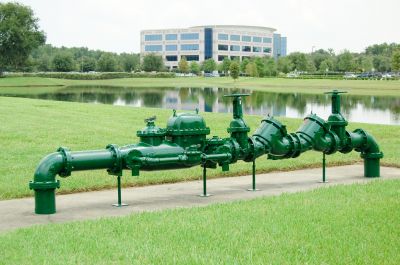
When comparing service providers for backflow testing, it is important to consider their experience with similar projects. Contractors who have handled backflow prevention and plumbing testing for residential properties can bring valuable knowledge to ensure the job is done correctly. An experienced professional will be familiar with the specific requirements of backflow prevention devices and the necessary testing procedures, helping to prevent potential issues that could compromise water safety. Checking how long a contractor has been working in the local area and their familiarity with local plumbing codes can provide insight into their ability to deliver reliable, quality service.
Clear written expectations are essential when evaluating backflow testing services. A reputable service provider should be able to provide detailed information about the scope of work, what the testing process involves, and any follow-up actions that might be necessary. This transparency helps homeowners understand what to expect and ensures there are no surprises once the project begins. Additionally, understanding the scope of work in advance can help homeowners compare different contractors more effectively and select a provider who clearly communicates their process and responsibilities.
Reputable references and good communication are key factors in choosing a dependable service provider. Contractors with positive references from previous clients often demonstrate a track record of reliable work and satisfied customers. Good communication, including prompt responses to questions and clear explanations of services, fosters trust and confidence in the contractor’s professionalism. When reviewing local pros, it’s beneficial to inquire about their reputation in the community and how they handle client interactions, as these factors can significantly impact the overall experience and confidence in their ability to perform accurate backflow testing and related plumbing services.
Property owners often search for what backflow is and why plumbing testing is important when they are planning practical projects around their homes and businesses. Local pros provide Backflow Testing services for everyday jobs and straightforward project options.
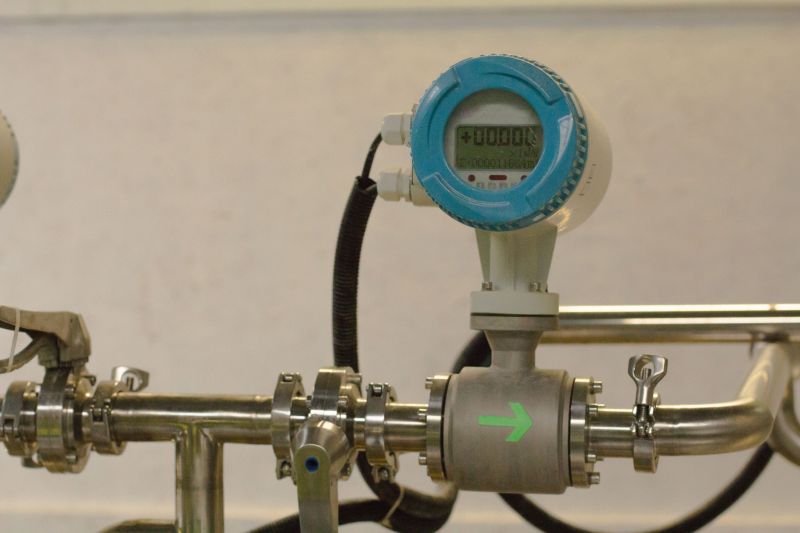
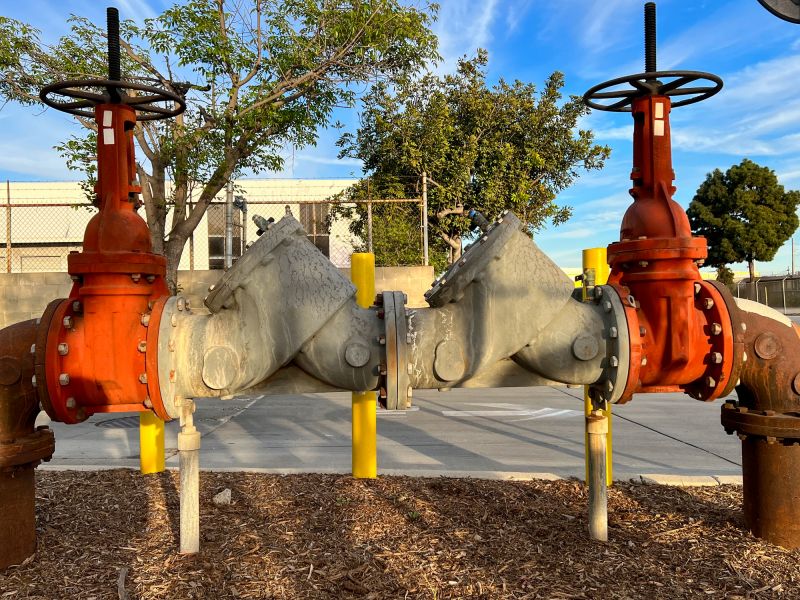
Understanding what backflow is and why plumbing testing is important can help property owners identify potential issues before they become costly problems. Backflow occurs when contaminated water flows backward into the clean water supply, which can happen due to changes in water pressure or plumbing system malfunctions. For homeowners and business owners alike, ensuring proper backflow prevention is essential to maintain safe drinking water and avoid health hazards. Local contractors who specialize in plumbing testing can assess the system’s integrity, identify vulnerabilities, and recommend necessary backflow prevention devices or repairs to keep water supplies safe and compliant with local standards.
Regular plumbing testing, including backflow testing, is a practical step for property owners to protect their investments and ensure the reliability of their water systems. Many local service providers offer backflow testing services that can detect issues early, preventing potential water contamination or damage. Whether installing new prevention devices or verifying existing ones, these professionals help ensure that plumbing systems operate correctly and meet safety requirements. Property owners searching for reliable backflow testing services can find experienced local contractors ready to assist in safeguarding their water supply and maintaining peace of mind.
What is backflow in plumbing? Backflow occurs when contaminated water flows backward into the clean water supply, potentially causing health hazards. Plumbing testing by local contractors helps identify and prevent backflow issues before they become serious problems.
Why is plumbing testing for backflow important? Plumbing testing ensures that backflow prevention devices are functioning properly, safeguarding water quality and preventing the spread of pollutants through the water system.
How do local service providers test for backflow? Professionals use specialized equipment to inspect backflow prevention devices and check for any signs of failure or contamination, ensuring the plumbing system remains safe and compliant.
What are the risks of not testing for backflow? Failing to test for backflow can lead to contaminated water entering the supply, which may cause health issues and damage to plumbing infrastructure over time.
Who should consider backflow testing services? Property owners, businesses, and facilities with irrigation systems or fire protection devices should consider regular backflow testing to maintain water safety and comply with local regulations.
Understanding backflow prevention - property owners can schedule backflow testing to ensure their plumbing systems are protected against reverse water flow and contamination.
Regular plumbing inspections - incorporating backflow testing into routine maintenance helps detect potential issues early and maintain water safety.
Installing backflow preventers - local contractors can assist with proper installation to prevent backflow incidents in residential or commercial properties.
Ensuring code compliance - property owners can work with service providers to verify that their plumbing systems meet local backflow prevention regulations.
If you are thinking about what backflow is and why plumbing testing is important for a property, this guide is meant to help you understand this topic, the typical project types, and how different options might fit your plans.
When you are ready, you can use the quote form on this page to share a few details about your project. From there, local pros can review the basics and follow up with options that match what you have in mind.